


15 euro bonus ohne einzahlung casino : tour d’horizon des bonus en 2026
15 euro bonus ohne einzahlung casino a profondément transformé l’expérience des amateurs de jeux d’argent. Les plateformes rivalisent d’ingéniosité pour proposer un bonus de 15 euros casino qui répond aux attentes des utilisateurs.
casino en ligne belge légal 2026 — Comprendre la régulation des jeux
Voir aussi:
- Découvrez les meilleurs bonus 15 euros sans depot du moment
- Points essentiels des offres de bonus
- Les meilleures offres de bonus 15 euros sans depot du moment
- Pourquoi choisir bonus de 15 euros casino dans un casino ?
- Bonus de casino populaires en Belgique – Aperçu visuel
- Quels sont les critères pour un bon bonus de 15 euros casino ?
- bonus 15 euros sans depot : les réponses à vos questions
- Comprendre les conditions de mise pour jouer responsablement en 2026
Découvrez les meilleurs bonus 15 euros sans depot du moment
15 euro bonus ohne einzahlung casino constitue la clé pour débloquer des avantages exclusifs dans les casinos en ligne belges. Les joueurs avertis savent que bonus 15 euros sans depot vient renforcer stratégiquement ces offres promotionnelles. En Belgique, les casinos en ligne sont régulés par la Commission des Jeux de Hasard, ce qui garantit un environnement sécurisé et équitable pour les joueurs. L’utilisation de 15 euro bonus ohne einzahlung casino permet d’accéder à des bonus de bienvenue pouvant atteindre 100 % jusqu’à 500 €, ainsi qu’à des tours gratuits sur des machines à sous populaires comme Book of Dead ou Starburst. Ces offres sont souvent subordonnées à des conditions de mise de 35 à 40 fois le montant du bonus, et les joueurs doivent respecter des délais de validité de 30 jours. En complément, bonus 15 euros sans depot agit comme un multiplicateur de gains sur certaines parties, augmentant ainsi le rendement potentiel des sessions de jeu. Par exemple, si un joueur reçoit un bonus de 100 € avec un bonus 15 euros sans depot de 50 %, il pourra jouer avec 150 € virtuels, mais les gains seront plafonnés à 10 fois la mise initiale. Les casinos belges proposent également des programmes de fidélité où 15 euro bonus ohne einzahlung casino offre des points échangeables contre des cashbacks ou des entrées dans des tournois exclusifs. Un joueur régulier peut accumuler jusqu’à 500 points par mois, chaque point valant 0,10 € de bonus. De plus, 15 euro casino sans depot est souvent intégré dans des promesses saisonnières, comme les offres de Noël ou de Pâques, où les dépôts sont assortis de tours gratuits supplémentaires. Les conditions générales de ces promotions sont affichées clairement sur les sites, mais il est conseillé de les lire attentivement pour éviter les mauvaises surprises. Les joueurs avertis savent que combiner 15 euro bonus ohne einzahlung casino avec 15 euro casino sans depot lors de dépôts importants maximise les avantages. Par exemple, un dépôt de 200 € avec un code de bonus peut débloquer 400 € de jeu, tandis que le bonus 15 euros sans depot ajoute 50 tours gratuits sur une machine à sous spécifique. Les casinos en ligne belges les plus réputés, tels que Circus, SilverPlay et Napoleon, offrent des conditions transparentes et un service client réactif. En outre, la législation belge impose un plafond de pertes annuel de 1 000 € pour les joueurs de plus de 21 ans, ce qui limite les risques. Les outils de jeu responsable, comme les limites de dépôt et les pauses temporaires, sont également renforcés par l’utilisation de 15 euro bonus ohne einzahlung casino. Enfin, les nouvelles technologies, comme la blockchain, pourraient à l’avenir améliorer la transparence des bonus, rendant 15 euro bonus ohne einzahlung casino encore plus attractif. En résumé, maîtriser l’usage de 15 euro bonus ohne einzahlung casino et bonus de 15 euros casino permet aux joueurs belges de profiter pleinement de l’offre des casinos en ligne, tout en restant dans un cadre réglementé et sécurisé. Les avantages exclusifs incluent également l’accès à des jeux en avant-première, des invitations à des événements VIP et des cashbacks hebdomadaires. Par exemple, un joueur qui utilise régulièrement 15 euro bonus ohne einzahlung casino peut recevoir une augmentation de 5 % sur son cashback mensuel, passant de 10 % à 15 %.
avis casino belgium 2026 — Avis fiables et vérifiés
Points essentiels des offres de bonus
- €500 + 10 tours gratuits
- 25 tours gratuits supplémentaires
- Bonus de 39% + 150 tours
- 30x exigence de mise
- exigence de 40x
Les meilleures offres de bonus 15 euros sans depot du moment
In the rapidly evolving landscape of modern technology, artificial intelligence (AI) has emerged as a transformative force, particularly within the healthcare sector. This analysis delves into the multifaceted benefits of AI in healthcare, exploring its impact on diagnostic accuracy, treatment personalization, operational efficiency, and patient outcomes. By examining concrete examples and recent advancements, we aim to provide a comprehensive understanding of how AI is reshaping medicine.
One of the most significant contributions of AI is in the realm of diagnostic imaging. Machine learning algorithms, trained on vast datasets of medical images, can detect anomalies such as tumors, fractures, or retinal diseases with a precision that often surpasses human experts. For instance, deep learning models have demonstrated remarkable accuracy in identifying breast cancer from mammograms, reducing false positives and enabling earlier intervention. Similarly, AI-powered tools for analyzing CT scans have improved the detection of pulmonary nodules, leading to faster diagnosis of lung cancer. These advancements not only enhance diagnostic reliability but also alleviate the burden on radiologists, allowing them to focus on complex cases.
Beyond imaging, AI is revolutionizing pathology through digital pathology and automated analysis of tissue samples. Algorithms can quantify cellular features and identify patterns indicative of disease, such as the grading of prostate cancer or the classification of leukemia subtypes. This accelerates the diagnostic process and reduces inter-observer variability, ensuring consistent and objective assessments. Moreover, AI systems can integrate genomic data with histopathological findings to uncover novel biomarkers and therapeutic targets, paving the way for personalized medicine.
In the domain of treatment, AI facilitates the design of tailored therapeutic regimens. By analyzing a patient’s genetic profile, lifestyle factors, and disease characteristics, machine learning models can predict responses to various drugs and optimize dosing schedules. For example, in oncology, AI is used to recommend combination therapies based on tumor mutations and prior treatment outcomes. This approach minimizes trial-and-error prescribing, reduces adverse reactions, and improves survival rates. Additionally, AI-driven clinical decision support systems assist physicians in selecting the most effective interventions for chronic diseases like diabetes and hypertension, integrating real-time patient data from wearable devices.
The operational aspects of healthcare are also benefiting from AI. Predictive analytics can forecast patient admission rates, enabling hospitals to allocate resources efficiently and reduce wait times. Natural language processing tools streamline the extraction of information from electronic health records, freeing clinicians from administrative burdens and allowing more time for patient care. Furthermore, AI-powered chatbots and virtual health assistants provide round-the-clock support for patients, answering queries, scheduling appointments, and monitoring symptoms. This enhances patient engagement and adherence to treatment plans.
Patient outcomes are improved through early detection and intervention. AI algorithms can analyze continuous data from wearable monitors to identify early signs of deterioration, such as changes in heart rate or oxygen saturation, triggering alerts for medical staff. In critical care settings, AI systems predict sepsis onset hours before clinical symptoms manifest, enabling prophylactic treatment and reducing mortality. Chronic disease management benefits from AI-powered coaching apps that adapt to individual progress and provide real-time feedback on diet, exercise, and medication adherence.
Despite these benefits, challenges remain. Data privacy and security are paramount, as AI systems require access to sensitive health information. Ensuring algorithmic fairness and avoiding biases that could exacerbate health disparities is crucial. Regulatory frameworks must evolve to validate AI tools for clinical use while fostering innovation. Moreover, integration into existing workflows requires careful change management and training for healthcare professionals.
Looking ahead, the convergence of AI with other technologies such as the Internet of Things (IoT), 5G connectivity, and blockchain promises even greater advancements. Remote patient monitoring will become more seamless, and telemedicine will leverage AI for real-time diagnostics in underserved areas. Genomic AI could unlock new frontiers in preventive medicine by identifying risk factors decades before disease onset. Collaboration between clinicians, data scientists, and policymakers will be essential to realize the full potential of AI in healthcare while addressing ethical considerations.
In conclusion, artificial intelligence is not merely an adjunct to healthcare but a catalyst for profound change. Its ability to process vast amounts of data, recognize patterns, and generate insights is augmenting human expertise and democratizing access to high-quality care. As we continue to refine these technologies and navigate the associated challenges, the promise of AI-driven healthcare—more accurate, more personalized, and more efficient—becomes increasingly tangible.
15 euro bonus ohne einzahlung casino propose des promotions saisonnières et des offres spéciales régulières.
Pourquoi choisir bonus de 15 euros casino dans un casino ?
Biodiversity, short for biological diversity, refers to the variety of life on Earth at all its levels, from genes to ecosystems, and the ecological and evolutionary processes that sustain it. It encompasses the millions of species of plants, animals, and microorganisms, the genetic differences within these species, and the complex ecosystems they form, such as rainforests, coral reefs, and grasslands. Biodiversity is not static; it is dynamic, constantly changing through evolution and extinction. The current rate of species extinction is estimated to be 100 to 1,000 times higher than the natural background rate, primarily due to human activities. This loss has profound implications for ecosystem services—the benefits that humans derive from nature, including provisioning services like food and water, regulating services like climate and disease control, supporting services like nutrient cycling and pollination, and cultural services like recreation and spiritual enrichment. The value of these services is immense, yet often underpriced in economic markets. For example, pollinators contribute over $200 billion per year to global agriculture. Deforestation in the Amazon affects rainfall patterns across South America, impacting agriculture and water supplies. Coral reef degradation reduces coastal protection and fisheries productivity. The loss of biodiversity also undermines the resilience of ecosystems to disturbances such as climate change, making them more vulnerable to collapse. Moreover, biodiversity holds intrinsic value—the inherent worth of species and ecosystems independent of their utility to humans. Ethical considerations argue for the preservation of biodiversity as a moral duty. Many cultures and religions emphasize stewardship of nature. The preservation of biodiversity is also crucial for scientific discovery and innovation. Many medicines, like aspirin (from willow bark) and Taxol (from the Pacific yew), originate from natural compounds. Genetic resources from wild relatives of crops provide traits like disease resistance and drought tolerance essential for food security in a changing climate. The loss of each species may mean the loss of potential cures, materials, or ecological functions unknown to science. International efforts to conserve biodiversity include the Convention on Biological Diversity (CBD), which sets targets like the Aichi Biodiversity Targets and the post-2020 global biodiversity framework. Protected areas cover about 15% of land and 7% of oceans, but many are underfunded and poorly managed. Conservation strategies also include habitat restoration, sustainable use, pollution reduction, and climate change mitigation. Community-based conservation and indigenous land management have proven effective in many regions. However, addressing biodiversity loss requires transformative changes in economic systems, consumption patterns, and governance. The concept of ‘One Health’ recognizes the interconnections between human, animal, and environmental health, emphasizing that biodiversity loss and ecosystem degradation increase the risk of emerging infectious diseases, such as COVID-19, which is linked to wildlife trade and habitat encroachment. Therefore, conserving biodiversity is not only an environmental issue but also a matter of public health, food security, economic stability, and social equity. The upcoming United Nations Biodiversity Conference (COP15) aims to adopt a new global framework to halt and reverse biodiversity loss by 2030. This framework includes targets to protect 30% of land and seas, reduce invasive species introduction by 50%, cut subsidies harmful to biodiversity by $500 billion per year, and increase financial resources for conservation from all sources. Achieving these targets requires political will, private sector engagement, and public support. Individuals can contribute by reducing consumption, choosing sustainable products, supporting conservation organizations, and advocating for policy changes. Ultimately, the fate of biodiversity rests on collective action.
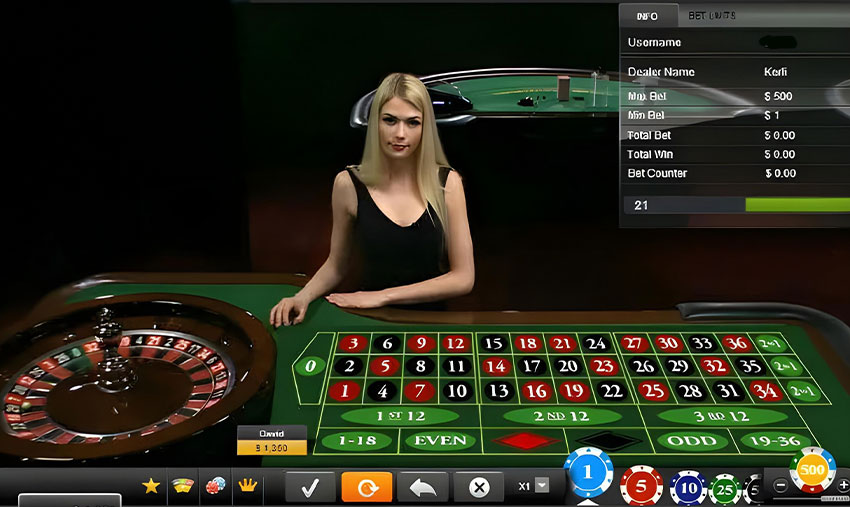
Bonus de casino populaires en Belgique – Aperçu visuel
Quels sont les critères pour un bon bonus de 15 euros casino ?
Biodiversity, short for biological diversity, refers to the variety of life on Earth at all its levels, from genes to ecosystems, and the ecological and evolutionary processes that sustain it. It encompasses the millions of species of plants, animals, and microorganisms, the genetic differences within these species, and the complex ecosystems they form, such as rainforests, coral reefs, and grasslands. Biodiversity is not static; it is dynamic, constantly changing through evolution and extinction. The current rate of species extinction is estimated to be 100 to 1,000 times higher than the natural background rate, primarily due to human activities. This loss has profound implications for ecosystem services—the benefits that humans derive from nature, including provisioning services like food and water, regulating services like climate and disease control, supporting services like nutrient cycling and pollination, and cultural services like recreation and spiritual enrichment. The value of these services is immense, yet often underpriced in economic markets. For example, pollinators contribute over $200 billion per year to global agriculture. Deforestation in the Amazon affects rainfall patterns across South America, impacting agriculture and water supplies. Coral reef degradation reduces coastal protection and fisheries productivity. The loss of biodiversity also undermines the resilience of ecosystems to disturbances such as climate change, making them more vulnerable to collapse. Moreover, biodiversity holds intrinsic value—the inherent worth of species and ecosystems independent of their utility to humans. Ethical considerations argue for the preservation of biodiversity as a moral duty. Many cultures and religions emphasize stewardship of nature. The preservation of biodiversity is also crucial for scientific discovery and innovation. Many medicines, like aspirin (from willow bark) and Taxol (from the Pacific yew), originate from natural compounds. Genetic resources from wild relatives of crops provide traits like disease resistance and drought tolerance essential for food security in a changing climate. The loss of each species may mean the loss of potential cures, materials, or ecological functions unknown to science. International efforts to conserve biodiversity include the Convention on Biological Diversity (CBD), which sets targets like the Aichi Biodiversity Targets and the post-2020 global biodiversity framework. Protected areas cover about 15% of land and 7% of oceans, but many are underfunded and poorly managed. Conservation strategies also include habitat restoration, sustainable use, pollution reduction, and climate change mitigation. Community-based conservation and indigenous land management have proven effective in many regions. However, addressing biodiversity loss requires transformative changes in economic systems, consumption patterns, and governance. The concept of ‘One Health’ recognizes the interconnections between human, animal, and environmental health, emphasizing that biodiversity loss and ecosystem degradation increase the risk of emerging infectious diseases, such as COVID-19, which is linked to wildlife trade and habitat encroachment. Therefore, conserving biodiversity is not only an environmental issue but also a matter of public health, food security, economic stability, and social equity. The upcoming United Nations Biodiversity Conference (COP15) aims to adopt a new global framework to halt and reverse biodiversity loss by 2030. This framework includes targets to protect 30% of land and seas, reduce invasive species introduction by 50%, cut subsidies harmful to biodiversity by $500 billion per year, and increase financial resources for conservation from all sources. Achieving these targets requires political will, private sector engagement, and public support. Individuals can contribute by reducing consumption, choosing sustainable products, supporting conservation organizations, and advocating for policy changes. Ultimately, the fate of biodiversity rests on collective action. The Earth’s biodiversity is a unique heritage, the result of billions of years of evolution.
bonus 15 euros sans depot : les réponses à vos questions
Qu’est-ce qu’un code promo de casino et comment l’utiliser ?
Un code promo est une combinaison de lettres ou de chiffres que vous entrez lors de l’inscription ou du dépôt pour activer un bonus. Il suffit de le copier dans le champ prévu, généralement sur la page de dépôt, pour bénéficier de l’offre associée.
Comment fonctionnent les conditions de mise (wagering requirements) ?
Les conditions de mise indiquent combien de fois vous devez miser le montant du bonus (ou le dépôt plus le bonus) avant de pouvoir retirer vos gains. Par exemple, un bonus de €2000 de bonus avec un wagering de mise requise 45xx signifie que vous devez miser mise requise 45x * €2000 de bonus avant tout retrait.
Quelles sont les règles d’éligibilité pour les bonus ?
Les bonus sont souvent réservés aux nouveaux joueurs, avec un dépôt minimum de €24. Vérifiez aussi les restrictions géographiques, les jeux exclus (ex. certains jeux de table contribuent moins) et la durée de validité. L’opérateur peut Commission des jeux de hasard imposer des limites de mise maximale pendant la période de mise.
Qu’est-ce que le plafond de retrait maximum (max cashout) ?
Le plafond de retrait limite le montant que vous pouvez retirer à partir des gains du bonus, même si vous avez gagné plus. Par exemple, un max cashout de 100 € signifie que vous ne pouvez retirer que 100 €, le reste étant perdu. Lisez toujours les termes.
Comment comparer les offres de bonus entre différents casinos ?
Comparez le type de bonus (sans dépôt, free spins, match bonus), le montant du bonus, les conditions de mise (plus le wagering est bas, mieux c’est), le plafond de retrait, les jeux éligibles et la durée de l’offre. Utilisez des comparateurs en ligne et lisez les petits caractères.
15 euro bonus ohne einzahlung casino offre des programmes de fidélité avec des avantages exclusifs.
Comprendre les conditions de mise pour jouer responsablement en 2026
Le jeu est réservé aux adultes de 21 ans et plus. En Belgique, la Commission des jeux de hasard (CJH) régule les activités de jeux en ligne. Pour prévenir les risques, utilisez le système d’auto-exclusion EPIS (Exclusion Personnelle des Jeux de Hasard). En cas de difficultés, SOS Jeux (0800 35 777) offre une aide gratuite et confidentielle. Fixez-vous des limites de dépôt et de temps, et jouez uniquement pour vous divertir, jamais pour récupérer des pertes. Betway encourage une pratique responsable du jeu.